logo
logo
cart (0)
  1. Home
  2. › Animals
  3. › Persian Leopard
HR EN HU
Mammals

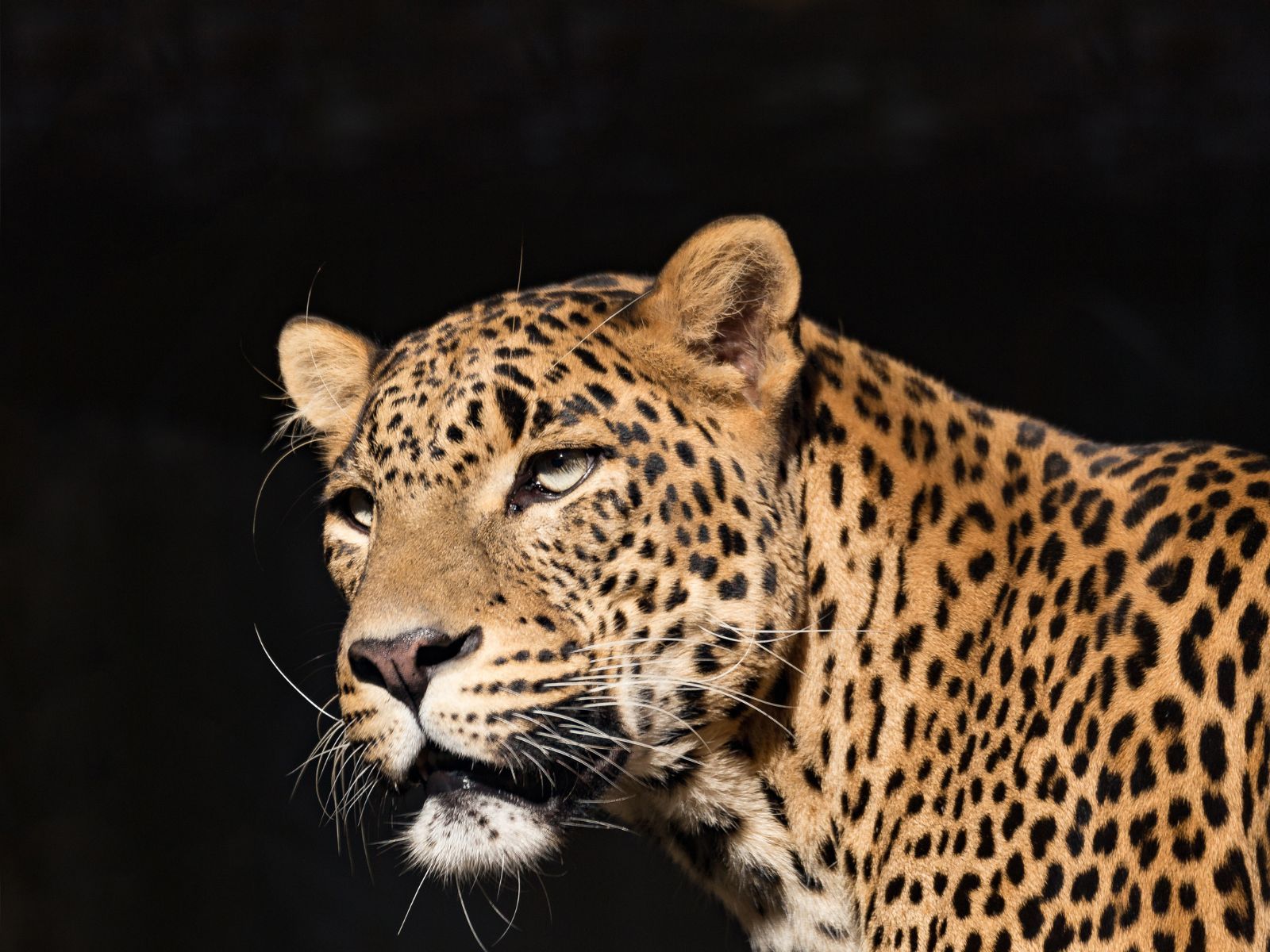
Persian Leopard

Panthera pardus saxicolor

HR Perzijski leopard HU Perzsa leopárd
  • Night
Persian Leopard
Video
EN Endangered IUCN
Video

Persian Leopard in motion

A short video from Osijek Zoo. Watch it while you stand in front of the enclosure – you might spot what the camera caught.

Open on YouTube ↗

Clicking loads the video from YouTube.

Where it lives

Home in the wild

Distribution

A large part of the wild population lives in the forests of Iran, followed by Iraq, Afghanistan, Turkmenistan, Tajikistan, Uzbekistan, Armenia, Azerbaijan.

Habitat

Subalpine meadows, broadleaf forests and rocky ravines up to 4000 metres. They prefer remote, mountainous areas, where they live in trees. They avoid deserts and urban areas.

Classification
  1. 1

    Class

    Mammals Mammalia

  2. 2

    Order

    Carnivores Carnivora

  3. 3

    Family

    Cats Felidae

  4. Species

    Panthera pardus saxicolor

Way of life

How it lives

Solitary way of life. Although they are nocturnal or crepuscular animals, they can also hunt during the day in colder months or in areas where they are dominant predators.

Diet

In the wild

Medium-sized ungulates such as wild goats (bezoar goat), mouflon, wild boar and roe deer.

In the zoo

Fresh high-quality meat, most often beef, rabbit meat, chicken

Lifespan

In the wild

10 to 15 years

In the zoo

15 to 20 years

Reproduction

From birth to adulthood

  1. 01

    They are highly territorial and usually gather for mating only during the winter months (January-March).

  2. 02

    After approximately 100 days of pregnancy, females give birth to 1-4 cubs in secluded caves or thickets.

  3. 03

    The cubs remain with their mother for 18-24 months to learn basic survival skills.

Fun facts

Did you know?

01

The largest leopard subspecies. They are considerably larger than African leopards, with adult males weighing up to 90 kg and reaching a body length of 158 to 259 cm.

02

The spotted rosette on the fur provides excellent camouflage among leaves in rocky and forested areas.

03

They have longer hind limbs to facilitate powerful jumping and a long tail for balance when moving on steep mountain slopes.

Conservation

Status in the wild

IUCN category
Endangered
LC NT VU EN CR EW EX
Lowest risk Extinct

IUCN · EN

Endangered

  • Endangered species with a total wild population of fewer than 1000 individuals
  • Greatest threats: poaching, habitat fragmentation and reduction of prey.
IUCN

IUCN Red List

The international list that assesses how close each species is to extinction in the wild.

EAZA

Osijek Zoo

EAZA member – we take part in species conservation and visitor education.

Be part of their story

As a sponsor you support animal care at Osijek Zoo and species conservation programmes.

Meet the others

Our other residents

All animals

Cart

You have no products in your cart.

Start Shopping
Visa payment MasterCard payment Paypal payment Apple pay Google pay