logo
logo
cart (0)
  1. Home
  2. › Animals
  3. › Greater Flamingo
HR EN HU
Birds

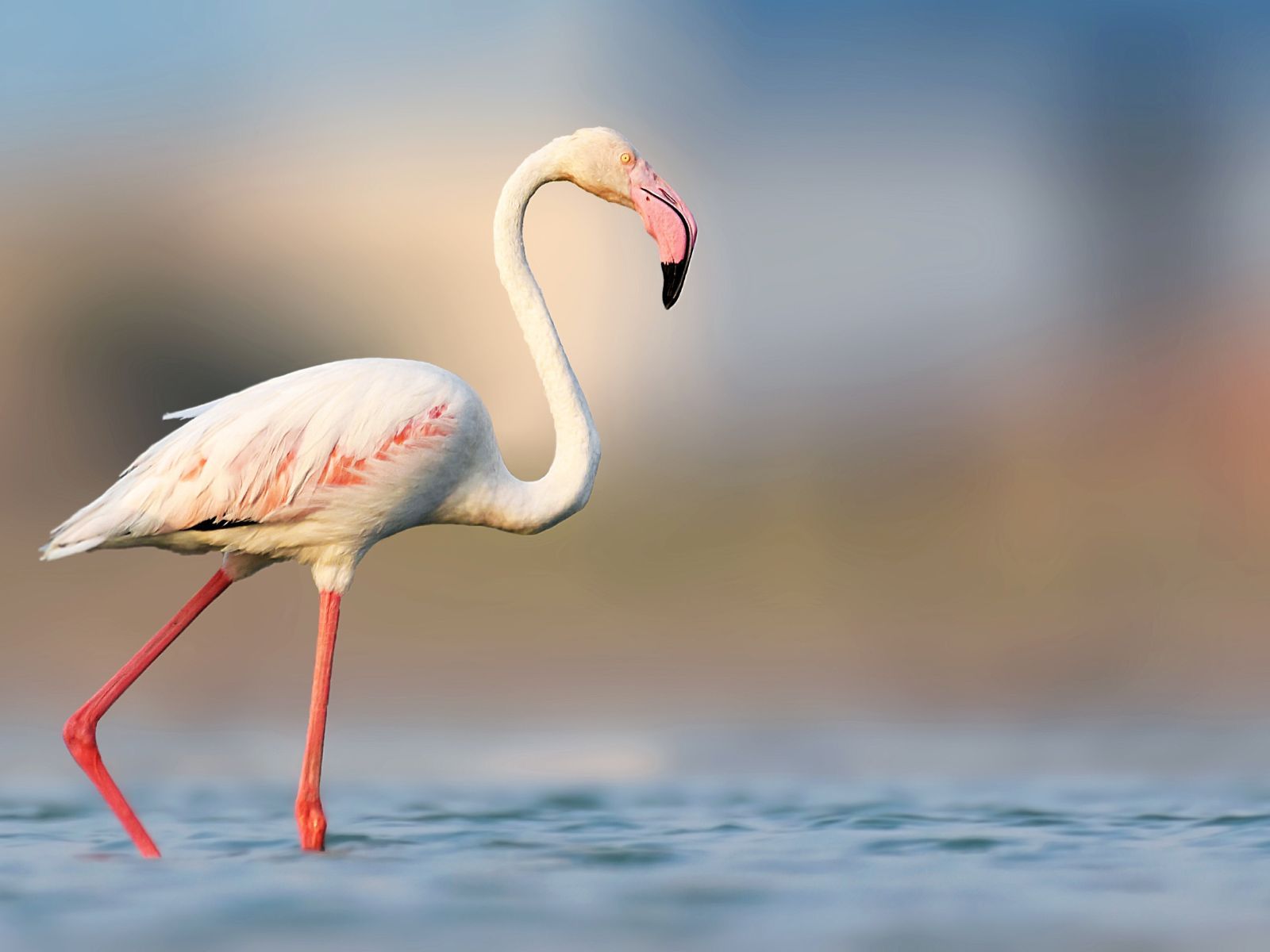
Greater Flamingo

Phoenicopterus ruber roseus

HR Plamenac HU Rózsás flamingó
Greater Flamingo
Video
LC Least concern IUCN
Video

Greater Flamingo in motion

A short video from Osijek Zoo. Watch it while you stand in front of the enclosure – you might spot what the camera caught.

Open on YouTube ↗

Clicking loads the video from YouTube.

Where it lives

Home in the wild

Distribution

Greater flamingos inhabit northern Africa (Tunisia, Algeria, Morocco) and Southeast Asia. They occasionally migrate to Spain, southern France and Sicily.

Habitat

They are mostly found in the shallow waters of lagoons, lakes and muddy beaches. All these waters have a very high salt content. Greater flamingos can also be found near wastewater treatment plants, dams, rice fields and on low islands, sea bays and salt marshes. In Africa they are found near thermal springs.

Classification
  1. 1

    Class

    Birds Aves

  2. 2

    Order

    Flamingos Phoenicopteriformes

  3. 3

    Family

    Flamingos Phoenicopteridae

  4. Species

    Phoenicopterus ruber roseus

Way of life

How it lives

Diet

In the wild

Molluscs, aquatic or marine worms, aquatic crustaceans, other marine invertebrates, algae

In the zoo

Pelleted food for flamingos

Lifespan

In the wild

Up to 50 years

In the zoo

Up to 60 years

Predators

Marabou storks and large gulls.

Reproduction

From birth to adulthood

  1. 01

    They travel in large flocks and mate once a year at approximately the same time, resulting in an indefinite mating season.

  2. 02

    The pair builds a nest for one egg, usually from mud and other materials, on an island or lake shore.

  3. 03

    Incubation time from 27 to 31 days.

  4. 04

    The male and female take turns incubating the egg.

  5. 05

    Flamingos reach sexual maturity from 5 to 6 years of age.

Fun facts

Did you know?

01

Greater flamingos have a unique beak that makes feeding different from many other species.

02

They have a shallow, keeled beak that helps them filter food.

03

They also have a filtering and pumping system in the beak, making it the most sophisticated avian food filtration.

04

The algae they consume help them maintain the pink tones in their plumage.

05

At a height of 150 cm they weigh from 2 to 4 kg.

Conservation

Status in the wild

IUCN category
Least concern
LC NT VU EN CR EW EX
Lowest risk Extinct

IUCN · LC

Least concern

IUCN

IUCN Red List

The international list that assesses how close each species is to extinction in the wild.

EAZA

Osijek Zoo

EAZA member – we take part in species conservation and visitor education.

Be part of their story

As a sponsor you support animal care at Osijek Zoo and species conservation programmes.

Meet the others

Our other residents

All animals

Cart

You have no products in your cart.

Start Shopping
Visa payment MasterCard payment Paypal payment Apple pay Google pay